Introduction
When it comes to protecting your home, a well-designed roof and gutter system work hand-in-hand. Installing gutters with new roof systems: key considerations involve understanding how these two critical components interact to safeguard your property from water damage. Without proper drainage, rainwater can pool around the foundation, leading to costly repairs and potential structural issues. This comprehensive guide will walk you through everything you need to know about gutter installation alongside a new roofing system, ensuring your home remains dry and secure.
Gutter Installation Process Explained
The gutter installation process is a crucial aspect of any roofing project. It begins with an assessment of your home's architecture and the type of roofing material being used. The objective is to ensure that the gutters effectively channel water away from the house.
Choosing Gutter Type: Before installation, homeowners must decide whether to go for sectional or seamless gutters. Seamless gutters are often preferred due to their reduced risk of leaks.
Measurement: Accurate measurements are essential. Each section of the roof should be measured to ensure that the gutters fit perfectly without gaps.
Positioning: Gutters should be installed at a slight slope (about 1/4 inch for every 10 feet) toward the downspouts for optimal drainage.
Mounting: Gutters are typically mounted using brackets or hangers to ensure they can support the weight of water as well as debris.
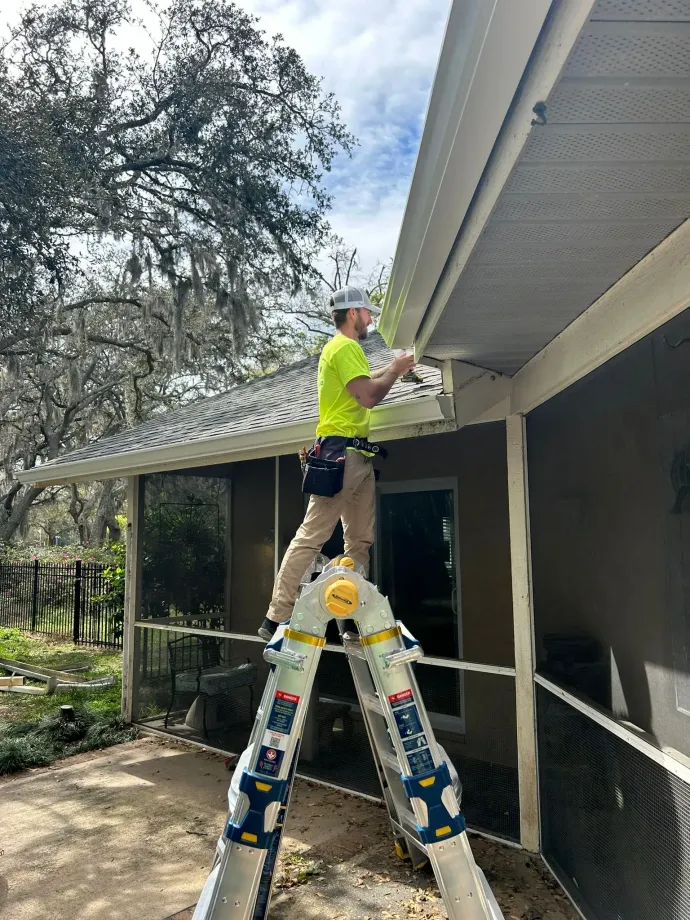
Downspouts: These should be strategically placed based on the layout of your yard and foundation, directing water away from sensitive areas.
Final Checks: Once installed, it's vital to run a water test to ensure everything flows correctly without leaks or obstructions.
Signs You Need a Gutter Replacement
Knowing when it's time for gutter replacement can save you from extensive damage and costly repairs down the line:
- Visible Rust or Corrosion: This is a sign that your gutters may not be functioning effectively anymore. Cracks or Holes: Small cracks can lead to larger issues over time. If you notice any holes where water could escape, it’s time for new gutters. Sagging or Pulling Away from the House: If your gutter system isn’t securely attached, it can cause improper drainage. Pooling Water Around Your Foundation: This indicates that your gutters aren't directing water adequately away from your home. Mold Growth on Walls or Foundations: A clear sign that moisture is accumulating where it shouldn’t be.
Choosing the Right Gutter System for Your Home
Selecting an appropriate gutter system requires careful consideration:
Types of Gutter Systems
Seamless Aluminum Gutters:- Pros: Minimal chances of leaks; custom fit. Cons: More complex installation requiring professional help.
- Pros: Lightweight and easy to install; corrosion-resistant. Cons: Less durable in extreme weather conditions.
- Pros: Strong and capable of handling heavy debris; suitable for colder climates. Cons: Prone to rust if not maintained properly.
Factors to Consider
- Climate Conditions: Your local weather plays a significant role in determining what materials will hold up best. Roof Style and Pitch: Different roofs require different types of gutters for optimal performance. Aesthetic Preference: The color and style should complement your home’s exterior design.
How Long Does Gutter Installation Take?
The timeline for installing gutters largely depends on various factors including:
Size of Home: Larger homes naturally take longer due to increased gutter length and complexity.
Type of Gutter System Chosen: Seamless systems often require more time due to customization needs compared to sectional ones which can be pre-fabricated.
Weather Conditions: Rainy or windy days can delay installation significantly.
Typically, expect anywhere from several hours up to two days depending on these factors.
Gutter Installation Costs Broken Down
Understanding costs associated with gutter installation helps budget appropriately:
| Item | Cost Estimate | |------------------------------|-----------------------| | Materials (per linear foot) | $3 - $30 | | Labor (per hour) | $50 - $100 | | Additional Features (guards) | $7 - $20 per foot | | Total Average Cost | $1,500 - $3,000 |
Remember that while DIY might save money initially, hiring professionals ensures correct installation which can save you money in repairs later on.
DIY Gutter Installation vs Professional Install
DIY projects can be satisfying but come with risks:
Advantages of DIY:
- Cost savings on labor. Personal satisfaction in completing a project yourself.
Disadvantages:
- Lack of experience may lead to mistakes that could cost more in repairs later on. Equipment rental fees can add up quickly if specialized tools are needed.
Professional Install Benefits:
- Expertise ensures proper fitting and alignment. Warranties provided by contractors offer peace of mind regarding future repairs.
Ultimately, consider your own skill set before deciding between DIY or hiring professionals!
What To Expect During Gutter Replacement
Replacing old gutters involves several steps:
Removing Old Gutters:- Expect some noise as workers detach existing structures safely without damaging walls or fascia boards.
- A thorough examination will be conducted for any underlying issues like rot or pest infestation before installing new ones.
- New gutters will be fitted according to previously discussed specifications—this phase is generally smooth if prior planning was executed carefully.
- After installation, it's crucial that homeowners inspect work done—ensure everything looks level and operational before considering the job complete!
Local Building Codes for Gutter Installation
Before starting any gutter project, familiarize yourself with local building codes as they vary widely across regions:
- Check regulations concerning height restrictions—some areas have specific laws regarding how low downspouts can extend toward public sidewalks or roadways. Certain municipalities may require permits prior installing new systems especially if it involves structural changes above ground level!
Being compliant not only keeps you within legal boundaries but also ensures safety during installations!
Installing Gutters on Metal Roofs
Metal roofs present unique challenges when installing gutters:
Special brackets may need fabrication since traditional mounting systems might not suit sloped surfaces well enough!
Ensure proper alignment—if metal panels don't direct water efficiently into gutter channels; accumulation could occur leading back towards underlayment causing damage!
Relying upon experienced installers familiarized with these intricate designs pays off greatly here—insist upon references showcasing previous successful installations performed under similar circumstances!
FAQs
What are seamless aluminum gutters?
Seamless aluminum gutters are continuous sections made specifically for your home’s dimensions without seams that could lead leaks over time!
Are aluminum gutters worth the investment?
Absolutely! Aluminum provides gutter companies durability against rust while remaining lightweight—a perfect combination ensuring longevity!
How often should gutters be cleaned?
It's advisable every six months at minimum; however more frequent cleaning may be necessary depending upon surrounding trees shedding debris regularly!
Do gutter guards really work?
Yes! They significantly reduce clogging by preventing leaves/debris from entering while still allowing water flow through freely into drains below them!
When should I replace my gutters instead of repairing them?
If damages exceed 30% surface area along entire length OR multiple persistent leaks unrelated repair efforts arise—it may warrant complete replacements instead!
How do I know if my gutters need repair?
Look out for signs like sagging sections visible cracks/deterioration affecting overall functionality—the sooner identified better chances gutter company effective solutions implemented promptly!
Conclusion
In conclusion, when considering installing gutters with new roof systems, there are myriad factors at play—from selection based on climate considerations all way down ensuring compliance local building codes! Understanding each step—from basic installation processes through exploring materials available further boosts confidence decision-making ensuring homeowners protect their properties efficiently against moisture intrusion! By following this guide closely tailored advice presented throughout readers will find themselves better equipped navigating complexities involved undertaking such important projects successfully!